New to the Bagpipes?
You’re exactly who this course is for.

In New Pathways to Piping, I’ll show you how to set up your practice chanter and work toward your first tune, one note at a time. No musical experience needed
From Your First Notes to Your First Tune
Get your chanter ready. Assemble and care for your practice chanter, and learn where your fingers go.
Play and read your first notes. Learn the Highland bagpipe scale, practice changing notes cleanly, and start reading bagpipe music.
Put it together in a tune. Learn what grace notes do, practice your first embellishment, and play your first tune.
You’ll play your first tune on the practice chanter and know what to work on as you learn the next one.
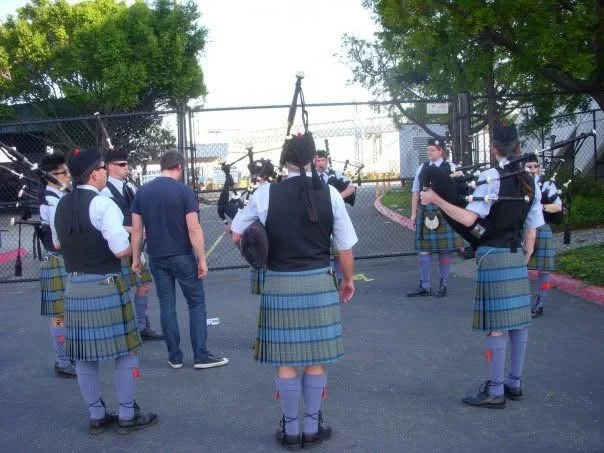
“ I showed up not knowing where to put my reed...and ended up creating my own pipe band and competing in Scotland.”
The Pasadena Scots earned three first-place finishes in Scotland and placed sixth at the World Pipe Band Championships. They went on to win the Grade 3B world title in 2018.
Meet your Instructor
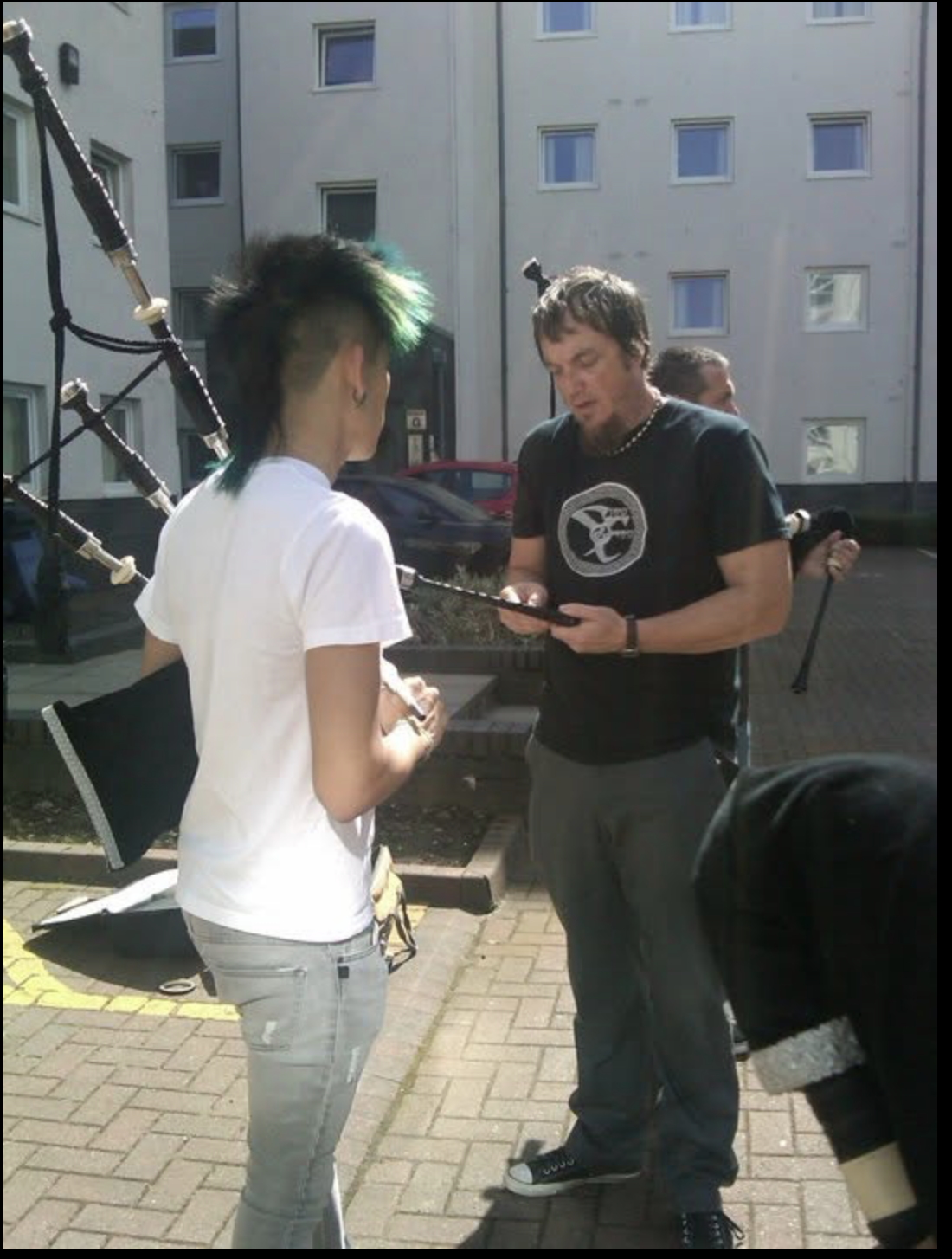
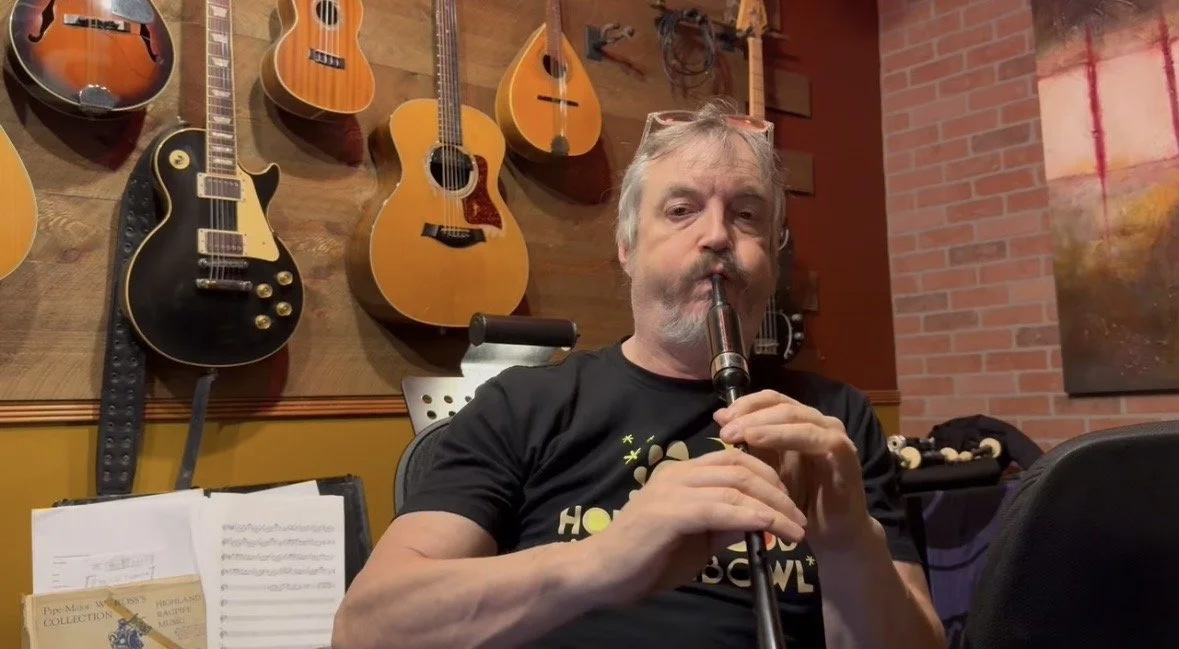
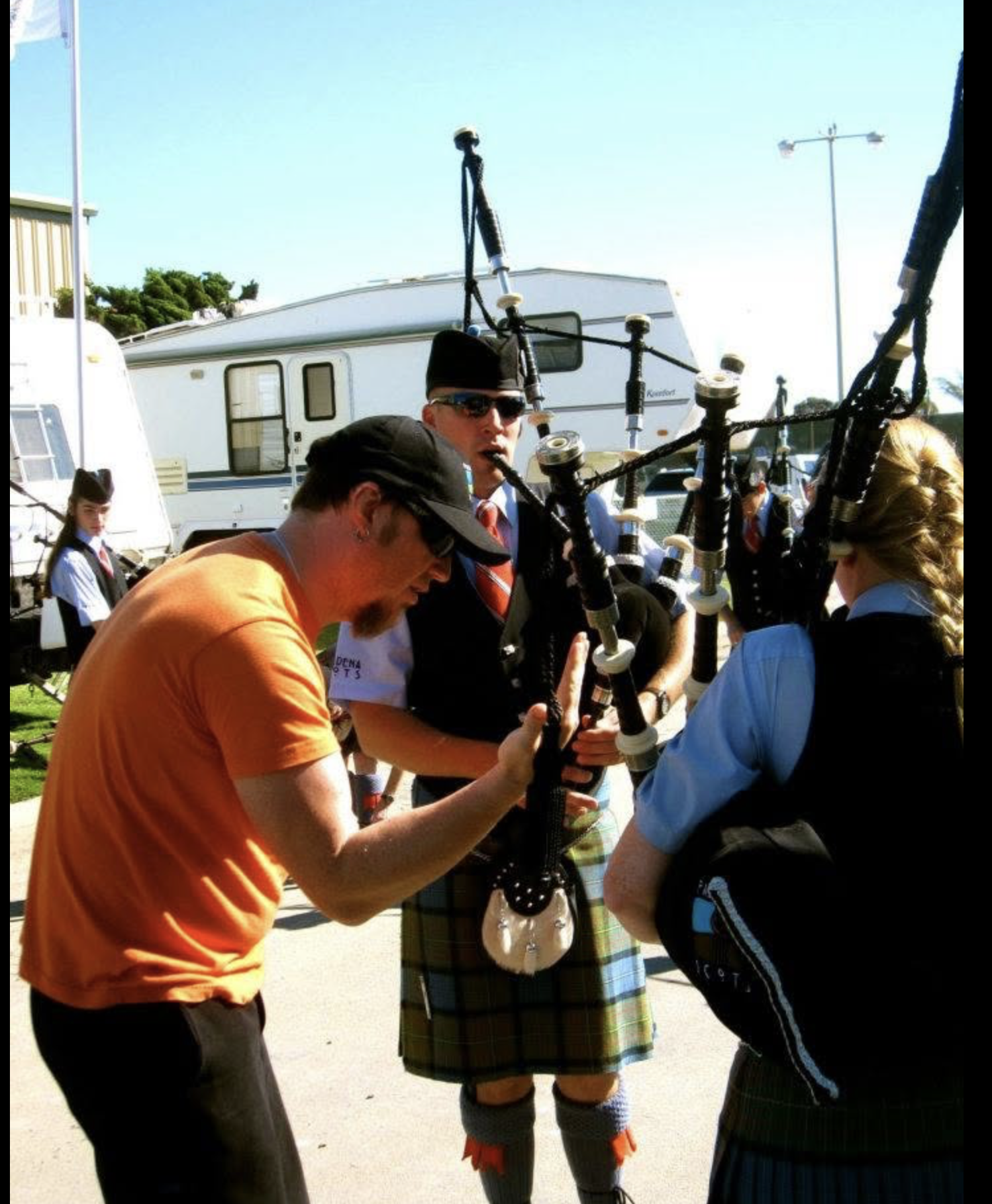
I’m John McLean Allan. I’ve been teaching bagpipes since 1995. Some of the pipers I taught from their very first notes went on to compete at the World Pipe Band Championships. I still start in the same place with a new student: let’s get one good note.
More about
John McLean Allan
Where do my fingers go?
“In this free lesson, I’ll show you where to place your fingers on the practice chanter so you can cover the holes cleanly.
Learn to understand and hear what your fingers are doing
Ever hear an extra note sneak in when you change notes? I’ll show you which fingers to lift, which to keep down, and what a clean change sounds like. Then you can slow it down and try it again on your practice chanter.
You can replay the demonstrations, jump back to a specific movement using the timestamps, and use the checklists to decide what to practice next. Whether you want to join a pipe band someday or just play a tune you love, you’ll know what to listen for when you sit down to practice.
Testimonials
“John is a knowledgeable, patient and engaging teacher who has encouraged our son to take his piping to the next level.”
How the Lessons Work
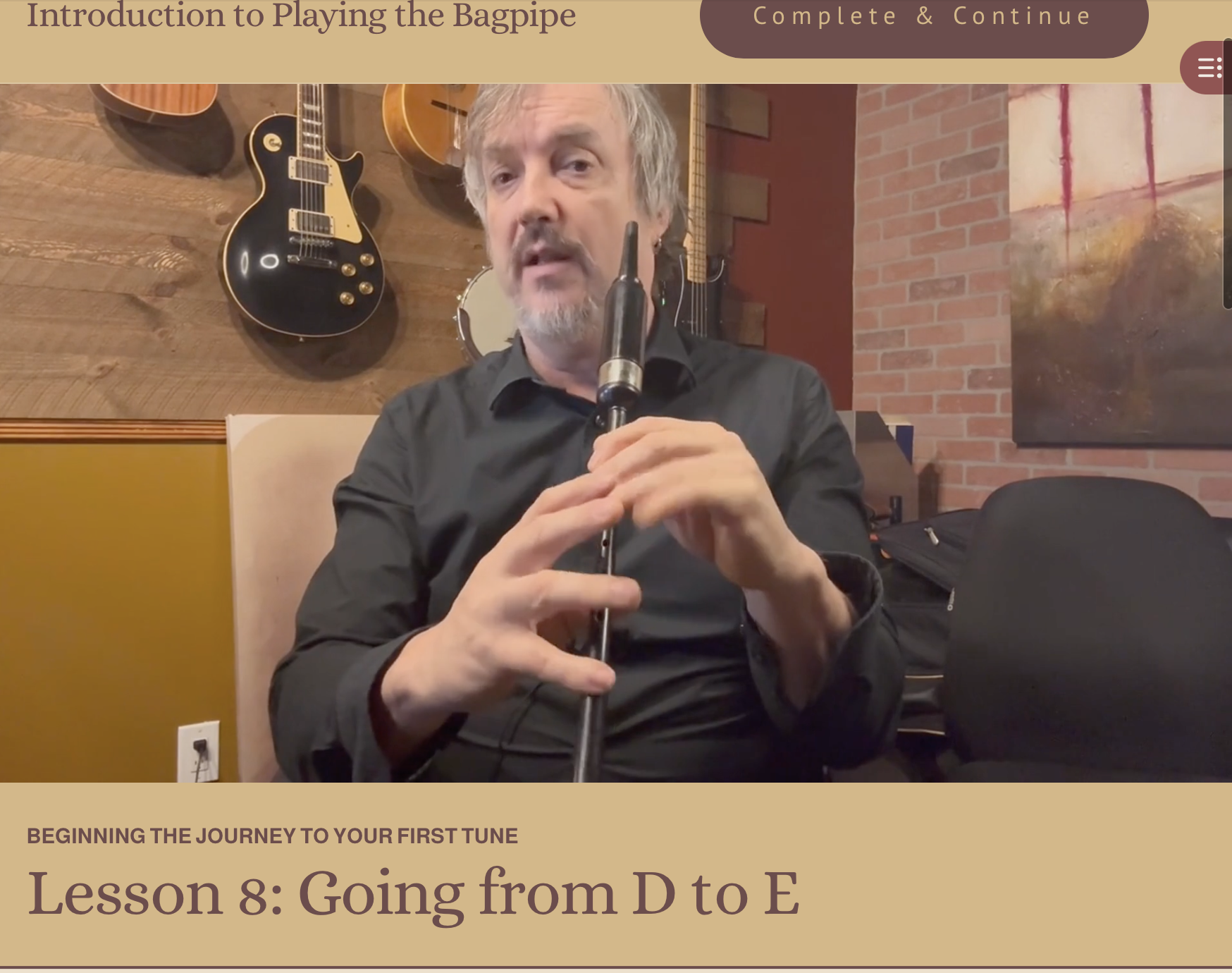
Go at your own pace. Follow 14 video lessons and use the timestamps to jump back to the part you want to practice
Know what to practice next. Use the recaps and checklists to guide each practice session
See exactly what your fingers should do. I break down each movement so you can see which fingers lift, which stay down, and what a clean note change sounds like.
Watch the Course Introduction
A clear step-by-step process with video and time stamps you can re-watch.
An instructor who for over 30 years has guided hundreds of successful pipers through this exact process.
A breakdown of each action in piping music… at a fundamental, digestible level.
Who is this for?
Complete beginners
Maybe you’ve just bought a practice chanter and aren’t sure what to do with it. Maybe you’ve always wanted to play the bagpipes and are finally giving it a go. I’ll show you how to set up your chanter and work toward your first tune. No musical experience needed.
Already played a few tunes?
If you’ve learned some tunes but feel like you could do with a refresher, you can go back over the basics at your own pace. I’ll show you what to listen for and give you something specific to practice.
Piping teachers and pipe bands
Give your beginners a lesson they can replay between sessions, with exercises that show them what to practice. If you’re new to teaching, you can also see how I introduce each skill and build on it in the next lesson.
Take a look inside the course · 1 min 12 sec
What’s inside?
Follow 14 self-paced video lessons, from setting up your practice chanter to playing your first tune.
Find the part you want to see again. Use the timestamps to go straight to a fingering or note change you’re working on.
Know what to practice next. Use the lesson recaps, exercises, and checklists to guide your practice.
Learn at your own pace. Repeat an exercise as often as you need, then move on when you feel ready.
Take a look inside the course · 1 min 12 sec
Ready to play your first notes?
If you’ve always wanted to play the bagpipes, let’s get you started. No musical experience needed. We’ll begin on the practice chanter and work toward your first tune, one note at a time.
““He always makes sure I’m fully understanding the instruction of the moment before moving forward.”
Frequently asked Questions
-
You’ll start with a practice chanter and a compatible reed. A practice chanter is the smaller instrument you’ll use to learn the fingerings and play your first tune. You can leave the full set of bagpipes for later. If you’re shopping for a chanter, check whether a reed comes with it.
-
No. I’ll show you how to hold the chanter, where your fingers go, and how to read the notes as you need them. We’ll start with one note and build from there. -
Adults are welcome to start from scratch. If you’ve always wanted to play a tune for yourself or your family, that’s plenty of reason to give it a go.
-
Start with short, regular sessions. Pick one thing from the lesson, such as covering the holes cleanly or changing between two notes. Play it slowly, listen to what happens, and come back to it in your next session.
-
It depends on how often you practice and how comfortable the note changes feel. You’ll build up to a complete tune on the practice chanter, a phrase at a time. A good early milestone is being able to play one phrase slowly and cleanly all the way through.
-
The full pipes have an outdoor voice. The practice chanter you’ll use in this course is much quieter, so it’s easier to practice at home. -
The course has 14 self-paced video lessons. You can replay a demonstration, use the timestamps to find a particular fingering, and use the recaps and checklists to decide what to practice next. -
Yes. In the free finger-position lesson, I’ll show you where to place your fingers on the practice chanter so you can cover the holes cleanly. Get the free finger-position lesson.
-
Not at all. This course is designed for complete beginners. You’ll learn how to read pipe music, understand rhythm, and develop proper finger technique step by step.
-
The bagpipes are unique — but they’re absolutely learnable with the right structure. Most people struggle because they try to do too much too fast. This course breaks everything into manageable pieces so you can progress confidently.
-
Most students begin producing clean notes on the practice chanter within the first few weeks. Real progress comes from consistent short practice sessions, not marathon rehearsals.
-
No — and you shouldn’t.
You’ll start on a practice chanter, which is affordable, quiet, and perfect for learning proper technique. Full pipes come later, once your fundamentals are solid.
-
Not at all. Early learning happens entirely on the practice chanter, which is apartment-friendly and much quieter than full bagpipes.
-
Even 15–30 minutes a day is enough to make steady progress. Consistency matters far more than long sessions.
-
Every piper — even professionals — started exactly where you are now. This course is built to guide you carefully through each stage so you never feel lost or overwhelmed.
Progress comes from small wins, not perfection.
-
Yes. You’ll learn the core techniques that all bagpipe music is built on, allowing you to play tunes properly — not just memorize finger patterns.
-
Absolutely. Strong fundamentals are what bands and audiences care about. Many students go on to solo piping, performances, and pipe bands after building a solid technical foundation.
-
Bagpipes are very technical. Trying to self-teach often creates bad habits that are hard to undo.
This course gives you clear structure, demonstrations, and guidance so you build correct technique from day one — saving years of frustration.tion